
An air conditioner rarely fails without showing clues first. Weak airflow, unusual sounds, moisture, and rising indoor temperatures can all point to a developing problem. Recognizing these signs early may prevent more extensive damage, especially during the hot, dry summer conditions common in Grand Junction, CO.
Is weak or uneven airflow a sign of trouble?
Yes. Airflow that feels weak, inconsistent, or noticeably different from one room to another can indicate an air-conditioning problem.
Possible causes include:
- A clogged air filter
- Blocked or disconnected ductwork
- A failing blower motor
- A frozen evaporator coil
- Closed or obstructed supply registers
- A restriction in the return-air path
Start with the simple checks. Make sure supply vents are open and unobstructed, and replace a visibly dirty filter with the correct size and rating for the system. If airflow remains weak, the issue may be inside the equipment or ductwork.
Uneven cooling can also reflect the home itself. Older houses, additions, rooms with large west-facing windows, and spaces above garages often gain heat faster than the rest of the building. However, a sudden change in room-to-room comfort is more likely to indicate an equipment or airflow problem than a normal design difference.
Why is the air conditioner running but the house is still warm?
An air conditioner that runs for long periods without reaching the thermostat setting may have reduced cooling capacity. The most common causes include low refrigerant caused by a leak, a dirty outdoor coil, restricted airflow, compressor trouble, or a thermostat that is reading the temperature inaccurately.
Outdoor heat also affects performance. In the dry climate around Grand Junction, outdoor units collect dust, cottonwood-like fibers, grass clippings, and other debris. A dirty outdoor coil cannot release heat efficiently, so the system may run longer while delivering less cooling.
Long run times are not automatically a sign of failure. During very hot weather, a properly functioning system may operate for extended periods. Concern is more justified when long cycles are accompanied by warmer rooms, weak airflow, ice, unusual sounds, or a noticeable increase in electricity use.
What sounds suggest an air-conditioning repair is needed?
New or worsening sounds deserve attention, particularly if they appear during startup or shutdown.
Common examples include:
- Grinding or scraping, which may indicate a worn motor bearing or another moving-part problem
- Screeching or squealing, which can point to belt or motor issues in some systems
- Humming without normal operation, which may involve an electrical component
- Repeated clicking, which can be associated with a thermostat, relay, or control problem
- Banging or rattling, which may mean a loose component
- Hissing, which can suggest escaping refrigerant or air leakage
A brief click when the system starts is normal. A new sound that becomes louder, more frequent, or more persistent is not something to ignore. Turning off the system may be appropriate if the noise involves grinding, burning, violent shaking, or repeated electrical clicking.
Does water or ice around the unit always mean a refrigerant problem?
No. Ice on the indoor coil or refrigerant line can result from low refrigerant, but it can also develop when airflow is restricted. A dirty filter, blocked return grille, failing blower, or closed vents may prevent enough warm indoor air from passing across the coil.
Water near the indoor unit may come from a clogged condensate drain, a damaged drain pan, or ice that has melted after the system froze. In a dry region, people sometimes assume any water near an air conditioner is harmless condensation. A small amount of moisture in the correct drain system is normal; pooling water, ceiling stains, damp insulation, or repeated leaks are not.
If ice is present, continuing to run the system can increase the risk of water damage and compressor strain. The equipment should be turned off long enough for the ice to melt, while the underlying cause is identified.
What does a bad smell from the air conditioner mean?
An occasional dusty odor after the first startup of the season may disappear quickly. Persistent or unusual smells are more significant.
A musty odor can indicate moisture in the drain pan, ductwork, insulation, or another part of the system. A burnt or electrical smell may signal an overheating wire, motor, capacitor, or other component and warrants shutting the equipment off. A strong chemical odor should also be treated cautiously, particularly if it appears suddenly or is accompanied by dizziness, irritation, or breathing difficulty.
The smell may not originate in the air conditioner itself. Dust near a supply register, a pest in ductwork, or household materials exposed to warm airflow can create similar symptoms. Even so, an odor that returns whenever cooling operates should be investigated rather than covered with fragrance.
Why does the system turn on and off repeatedly?
Frequent cycling, often called short cycling, means the air conditioner starts and stops more often than expected without completing a normal cooling cycle.
Potential causes include:
- An oversized system
- A dirty filter or restricted airflow
- A malfunctioning thermostat
- Low refrigerant
- Frozen equipment
- Electrical or control problems
Short cycling increases mechanical wear and may leave the home humid even when the thermostat briefly reaches its setting. It can also create temperature swings and higher operating costs.
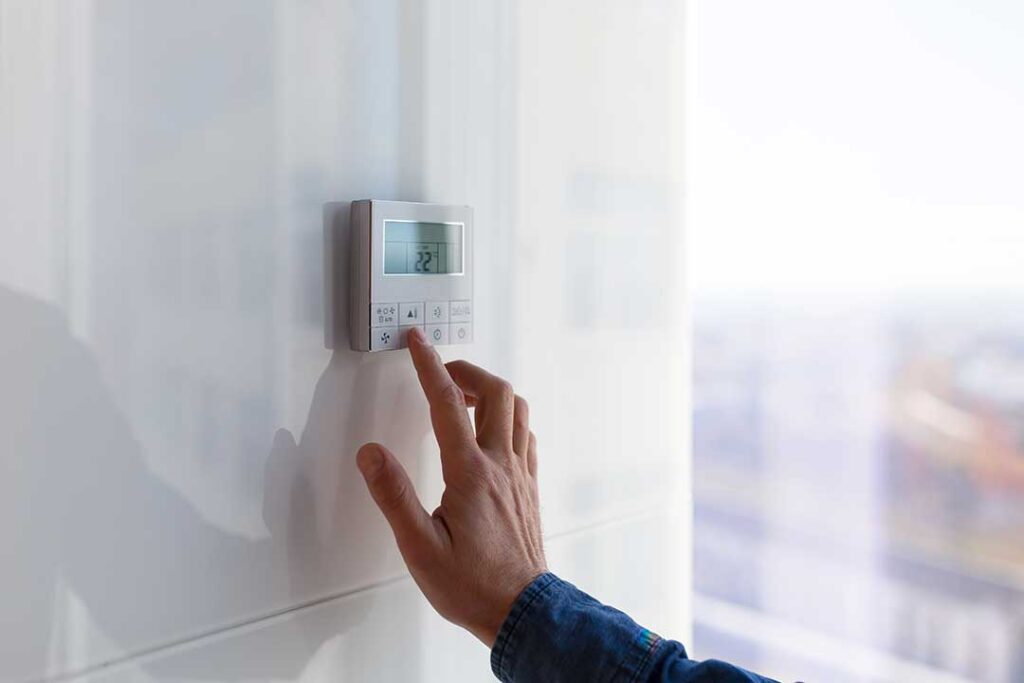
Thermostat placement matters. A thermostat near a sunny window, supply vent, kitchen, or heat-producing appliance may receive misleading temperature readings. If the equipment cycles unusually after a thermostat change, the location and wiring should be considered along with the air conditioner itself.
Is rising energy use a warning sign?
A sudden increase in cooling-related electricity use can indicate declining efficiency, although utility costs also vary with weather, thermostat settings, occupancy, and rate changes.
Look for a pattern rather than a single high bill. A system that uses more energy while producing less cooling may have a dirty coil, restricted airflow, refrigerant problem, aging motor, or compressor issue. Leaving windows open, using exhaust fans for long periods, or allowing excessive solar heat through uncovered windows can create similar symptoms.
Comparing current usage with the same season in prior years can be more useful than comparing one month with the next. A gradual decline in performance is worth addressing before the system stops working during a prolonged hot spell.
Which signs require immediate attention?
Some conditions are more urgent than ordinary loss of performance. Turn off the air conditioner and seek qualified help when there is:
- A burning electrical smell
- Smoke, sparking, or visible wire damage
- Water leaking near electrical components
- Violent shaking or loud metal-on-metal sounds
- Repeated breaker trips
- A suspected refrigerant leak
- A carbon monoxide alarm or other indoor safety alarm
Refrigerant work, electrical diagnosis, compressor repair, and sealed-system repairs require specialized equipment and safety procedures. Refrigerant should not be released into the atmosphere, and electrical panels or energized components should not be opened as a do-it-yourself test.
What can residents check safely first?
A few basic observations can help distinguish a simple maintenance issue from a larger fault:
- Confirm the thermostat is set to cooling and has working batteries if applicable.
- Check that the air filter is clean and properly installed.
- Make sure supply vents and return grilles are not blocked by furniture or curtains.
- Look at the outdoor unit for leaves, dust, weeds, or other obstructions without opening the cabinet.
- Check for ice, unusual water, damaged insulation, or visible electrical damage.
- Note when the problem occurs, such as only during startup, during the hottest afternoon hours, or after several hours of operation.
Avoid spraying water into the electrical compartment, bending coil fins, adding refrigerant, or repeatedly resetting a tripped breaker. Those actions can conceal the original problem or create additional hazards.
For homes in this high-desert climate, regular filter attention and keeping the outdoor unit clear of dust and vegetation are especially useful. Still, recurring symptoms—particularly weak cooling, ice, water, unusual noise, or electrical odors—usually indicate that the system needs diagnosis rather than another temporary reset.