
What usually causes a high energy bill?
A high energy bill usually comes from a combination of weather, heating and cooling equipment, airflow problems, building conditions, and household habits. In Grand Junction, CO, large temperature swings can make both summer cooling and winter heating noticeable on monthly utility statements.
The first step is to determine whether the increase comes from using more energy, paying a higher rate, or both. Compare the current bill with the same month from the previous year, not only with the immediately preceding month. A colder winter, hotter summer, longer billing period, or change in electricity or natural gas rates can affect the total.
How does weather affect heating and cooling costs?
Outdoor temperature is one of the strongest influences on household energy use. Heating systems may run for extended periods during cold nights, while air conditioners can operate frequently during hot, dry weather.
Dry conditions can also make indoor air feel uncomfortable even when the thermostat setting has not changed. Some households respond by lowering the cooling setpoint or using portable humidifiers, which can add to energy use. During winter, very dry indoor air may lead residents to raise the thermostat because the home feels colder than expected.
Energy use can increase when:
- A cold snap keeps the heating system running for long periods.
- A heat wave prevents the home from cooling down overnight.
- Strong temperature differences between daytime and nighttime encourage frequent thermostat adjustments.
- Doors and windows are opened often while heating or cooling equipment is operating.
- Outdoor shade, wind, or solar exposure changes how much heat enters the home.
Weather-related increases are often temporary. If bills remain high after temperatures return to normal, another issue may be contributing.
Could the HVAC system be using too much energy?
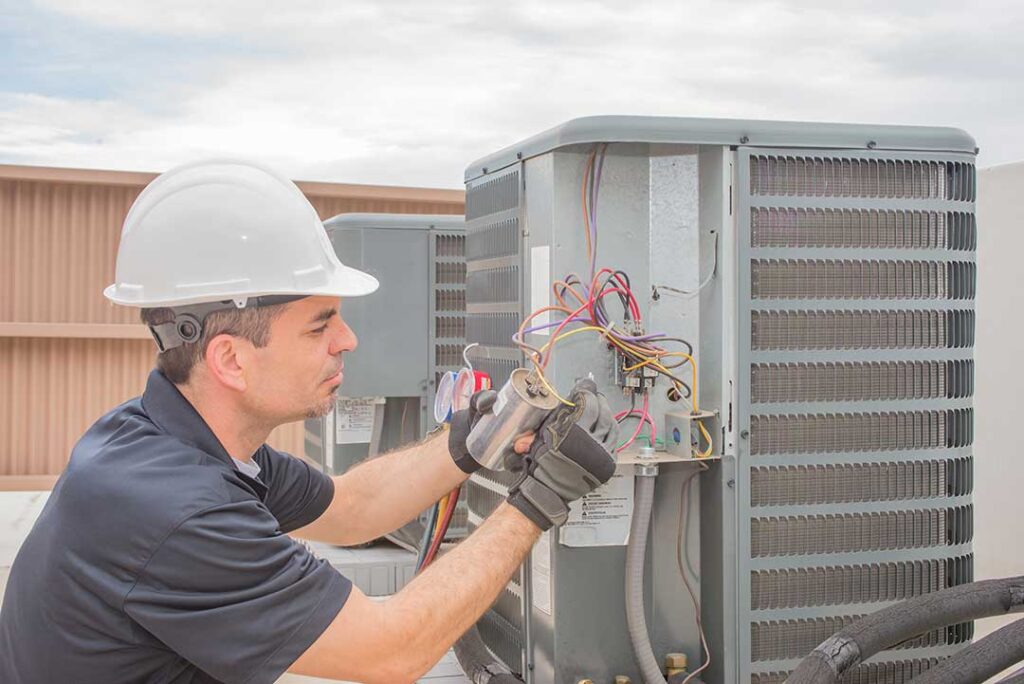
Yes. Heating and cooling equipment can consume substantially more energy when it is poorly maintained, incorrectly sized, or operating with restricted airflow. A system that runs longer than expected does not always mean the equipment is defective, but repeated long cycles deserve attention.
Common causes include dirty filters, blocked return grilles, closed supply registers, obstructed outdoor equipment, and worn electrical or mechanical components. A heavily loaded filter can reduce airflow and force the system to work harder. In a cooling system, poor airflow may also contribute to reduced comfort or frost on indoor components.
Older equipment may use more energy than newer systems, but age alone does not explain every high bill. A relatively new system can perform poorly if it was installed with incorrect airflow, has duct leakage, or is not receiving adequate maintenance.
Unusual sounds, weak airflow, uneven room temperatures, short cycling, or a system that never seems to reach the thermostat setting are useful clues. These symptoms do not identify one specific cause, but they suggest that energy consumption may be connected to equipment performance.
How do air leaks and insulation affect utility bills?
Air leakage allows heated or cooled air to escape and outdoor air to enter. Insufficient insulation then makes it easier for indoor temperatures to drift toward outdoor temperatures.
In many homes, the most significant leakage points are found around attic access panels, plumbing and wiring penetrations, recessed fixtures, duct openings, doors, and older windows. A home can have modern windows and still lose substantial energy through the attic or duct system.
Attic insulation is especially relevant because heat rises during winter and solar heat can build up above the ceiling during summer. If insulation is thin, compressed, unevenly distributed, or damp, the heating and cooling system may run longer to maintain the thermostat setting.
Simple signs of envelope problems include:
- Rooms that are consistently too hot or too cold.
- Drafts near doors, windows, or attic access areas.
- Dust or discoloration around vents and ceiling penetrations.
- Large temperature differences between floors or rooms.
- High energy use despite moderate thermostat settings.
Sealing and insulation improvements should be approached carefully. Certain materials and electrical fixtures require proper clearances, and attic work can create safety hazards if performed around wiring, combustion equipment, or inadequate ventilation.
Why do duct problems raise energy use?
Ductwork can waste energy when it leaks, is poorly insulated, or is located in a hot attic, garage, crawlspace, or other unconditioned area. Air that escapes before reaching a room still represents energy paid for by the household.
Leaking ducts may cause weak airflow, uneven temperatures, excessive dust, or longer equipment run times. A return-side leak can draw dusty or hot air into the system, while a supply-side leak can send conditioned air into an attic or wall cavity.
Duct problems are easy to overlook because most of the system is hidden. Closing vents in unused rooms usually does not solve the problem and can sometimes increase pressure within the duct system. Airflow depends on the entire system, including returns, supply ducts, filters, and equipment capacity.
Can thermostat settings make a large difference?
Thermostat settings affect energy use, but frequent manual adjustments are not always the main cause of a high bill. The larger issue is often setting the home much warmer in winter or much cooler in summer than necessary, especially when the building takes a long time to recover.
Leaving windows open while the system operates, placing lamps or heat-producing electronics near the thermostat, or installing the thermostat on a wall exposed to drafts can also create misleading temperature readings.
A practical approach is to use a steady, reasonable setting and adjust it modestly when the home is unoccupied or residents are sleeping. Large setbacks may not be useful in every home, particularly if the system must run for a long time to restore comfort.
What household appliances can increase energy use?
Heating and cooling often receive the most attention, but other equipment can contribute to a higher bill. Water heaters, clothes dryers, electric ovens, pool or spa equipment, space heaters, refrigerators, freezers, and computers may run for many hours.
Portable electric heaters are a common source of unexpected electricity use. Although they are small compared with central equipment, they can draw substantial power while operating. A household using several heaters in different rooms may see a significant increase over one billing cycle.
A new appliance, an extra refrigerator, more frequent laundry, holiday lighting, home renovations, or increased time spent at home can also change the energy pattern. Smart plugs or appliance-level energy monitors can help identify equipment that operates more often than expected.
How can residents tell whether a high bill is caused by usage or rates?
Review the bill for total energy consumption, billing days, current and previous meter readings, and the unit price. A higher total with similar usage may indicate a rate change or additional fees. A sharp increase in kilowatt-hours or therms points more toward weather, equipment, building conditions, or household behavior.
It also helps to compare the bill with the same season from the previous year. Monthly comparisons can be misleading because billing periods and weather conditions vary.
If the meter reading appears inconsistent, the billing period is unusually long, or the consumption changes dramatically without an obvious reason, the utility account information should be reviewed for an estimated reading, adjustment, or administrative issue.
What should be checked first?
Begin with low-risk observations:
- Confirm that the current bill covers a normal number of days.
- Compare energy use with the same month last year.
- Check or replace a dirty filter with the correct type and size.
- Make sure supply and return grilles are open and unobstructed.
- Look for obvious drafts around doors and attic access panels.
- Check whether a portable heater, dehumidifier, freezer, or other appliance was recently added.
- Note whether the system is short cycling, running continuously, or producing weak airflow.
Gas odors, burning smells, exposed wiring, carbon monoxide alarms, water near electrical equipment, or equipment that shuts off repeatedly require prompt attention because they involve safety as well as energy use. For routine efficiency concerns, tracking temperatures, thermostat settings, equipment run time, and monthly consumption can help reveal patterns before the next seasonal bill arrives.