
Winter heating in Grand Junction, CO often begins with cold nights, dry air, and noticeable temperature swings between sunny afternoons and early mornings. A furnace that worked quietly through the previous season may need attention before it is asked to run for long periods.
Preparing the system early can improve comfort, reduce avoidable problems, and help identify safety concerns before the coldest weather arrives.
What should be checked before turning on the furnace?
Start with the thermostat, air filter, vents, and area around the furnace. These simple checks address many common heating problems and do not require opening the furnace cabinet.
Set the thermostat to heat and raise the temperature a few degrees above the current indoor temperature. The furnace should start after a short delay. During the first heating cycle, notice whether it produces steady warm air and whether the system shuts off normally after reaching the set temperature.
Also check that:
- Supply vents are open and not blocked by furniture, rugs, curtains, or storage items.
- Return-air grilles are clear of dust and household items.
- The furnace has adequate space around it for airflow and access.
- The thermostat has working batteries if it uses them.
- No unusual burning, electrical, scraping, rattling, or gas-like odor is present.
A brief dusty smell during the first heating cycle can occur after months without heat. That odor should fade quickly. A persistent burning smell, smoke, or strong fuel odor is a reason to turn the system off and address the issue promptly.
How often should the furnace filter be replaced?
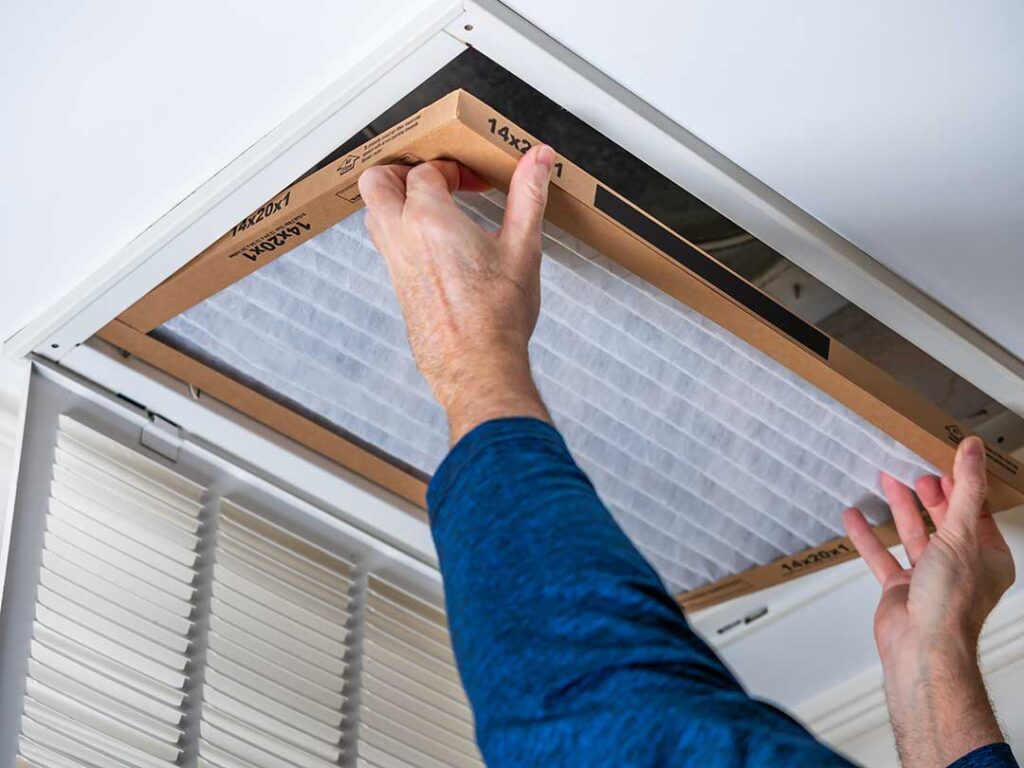
Most homes should check the filter monthly during the heating season. Replacement timing depends on the filter type, household dust, pets, renovations, and how often the furnace runs.
In the dry, dusty conditions common around Grand Junction, filters may collect debris faster than expected, especially in homes near unpaved areas, active construction, or open fields. A visibly gray or loaded filter can restrict airflow even if it has not been installed for very long.
A dirty filter can cause several problems:
- Reduced airflow from the vents
- Longer heating cycles
- More dust circulating through the home
- Higher strain on the blower motor
- Overheating that may cause the furnace to shut down
Use the size and type specified for the equipment. A filter that is thicker or more restrictive is not automatically better if the system was not designed for it. The filter should fit securely without bending, collapsing, or leaving gaps around the frame.
Should the furnace and vents be cleaned?
Basic exterior cleaning is useful, but homeowners should avoid disassembling fuel-burning equipment unless they are qualified to do so.
Vacuum dust from the floor around the furnace and gently clean accessible return grilles and supply registers. Keep paint, cardboard, stored materials, cleaning chemicals, and other combustible items away from the furnace. Do not use the furnace room as a crowded storage area.
If the furnace has an outdoor intake or exhaust pipe, inspect it from the outside. Snow, leaves, mud, animal nests, or other debris can obstruct these openings. Clear only what can be safely reached without damaging the pipe or climbing in unsafe conditions. An obstructed vent can interfere with combustion and may allow dangerous gases to accumulate indoors.
Do not cover vents to reduce noise or redirect airflow. Do not tape over warning labels, access panels, or ventilation openings.
How can homeowners test the furnace safely?
A test run should be long enough to observe the furnace through startup, heating, and shutdown. Listen for unusual sounds and check several rooms for consistent airflow.
The furnace should generally:
1. Receive a call for heat from the thermostat.
2. Start its ignition and blower sequence.
3. Deliver warm air after a short delay.
4. Operate without repeated cycling.
5. Shut down normally when the thermostat reaches the set temperature.
Repeated starting and stopping, weak airflow, loud banging, a continually running blower, or air that never becomes warm can indicate a problem requiring further attention.
Avoid repeatedly resetting a furnace that shuts itself down. Safety controls are designed to stop operation when the system detects certain conditions. Repeated resets can hide the original problem or create additional risk.
Where should carbon monoxide detectors be located?
Every home with fuel-burning heating equipment should have working carbon monoxide detectors in appropriate locations, especially near sleeping areas. Test each detector according to its instructions and replace batteries when needed. Detectors also have service lives, so check the replacement date on the unit.
Carbon monoxide has no reliable smell or visible warning. Symptoms of exposure can include headache, dizziness, weakness, nausea, confusion, or unusual fatigue. If an alarm sounds or occupants experience possible symptoms, leave the building and seek emergency assistance. Do not remain indoors to investigate the furnace.
Smoke alarms and carbon monoxide alarms serve different purposes. A smoke alarm does not replace a carbon monoxide detector, even if both devices are installed in the same room.
What should be done with ducts and registers?
Keep supply registers open in rooms that need heat. Closing many vents can alter the system’s airflow balance and increase pressure inside the ductwork. It is usually better to adjust comfort with the thermostat and address rooms that remain unusually cold rather than closing numerous registers.
Check for loose or damaged visible duct connections in accessible areas. Dust around a joint may indicate an air leak, but ductwork inside walls, crawl spaces, or attics can be difficult to inspect accurately without specialized equipment.
Homes with older duct systems may also have rooms that heat unevenly because of insulation gaps, duct leakage, poor register placement, or air infiltration around windows and doors. These issues are separate from furnace operation and may require a broader evaluation.
When is furnace service a safety issue?
Some conditions should not be handled as do-it-yourself repairs. Turn off the furnace and seek qualified assistance if there is:
- A strong fuel odor
- Smoke or soot around the furnace
- A carbon monoxide alarm
- A damaged vent pipe
- A cracked heat exchanger concern
- Repeated ignition failure
- Electrical sparking
- Water leaking into electrical components
- A burner flame that appears unstable or unusually yellow
Never bypass a safety switch, remove a combustion component, or attempt to adjust gas pressure without the proper training and equipment. Fuel-burning appliances require correct combustion, venting, and safety-control operation.
What seasonal habits help the furnace run reliably?
After preparation, keep the system clear and monitor it during the first several weeks of use. Replace or inspect the filter regularly, keep outdoor vents clear after snow or wind events, and avoid placing furniture over registers.
Because winter air in the area is often dry, residents may also notice static electricity, dry skin, or shrinking wood materials. A properly maintained humidifier can affect furnace operation and indoor comfort, but it should be cleaned and adjusted according to its equipment instructions. Excess indoor humidity can contribute to window condensation and moisture problems, so adding moisture should be done carefully.
It is also useful to know the location of the furnace shutoff switch, electrical breaker, and fuel shutoff. Keep access to these controls clear in case the system must be turned off quickly.