
An air conditioner that runs without lowering the indoor temperature may have a simple cause, such as restricted airflow or an incorrect thermostat setting. It can also signal an electrical, refrigerant, drainage, or mechanical problem that should not be handled without the proper training and equipment.
What should you check first?
Start with the thermostat, airflow, and electrical power. These basic checks can identify several common problems without removing panels or working near wiring.
Set the thermostat to Cooling and lower the temperature several degrees below the current indoor temperature. If the thermostat uses batteries, replace them if the display is dim, blank, or inconsistent. Make sure the fan setting is set to Auto unless continuous air circulation is intentional.
Next, check whether air is coming from the supply registers. Weak airflow throughout the home points to a system-wide problem, while weak airflow from only one register may indicate a closed damper, blocked duct, or furniture placed over the opening.
Also check the electrical panel for a tripped breaker. A breaker that trips again after being reset may indicate an electrical fault. Do not repeatedly reset it.
Could a dirty air filter be the reason?
Yes. A clogged filter can reduce airflow enough to prevent effective cooling and may cause the indoor coil to freeze. In dry, dusty conditions, filters can become restricted sooner than expected, especially during periods of frequent operation.
Locate the filter and check whether it is covered with dust or appears gray and matted. Replace it with the correct size and airflow rating for the system. The filter should fit securely without collapsing or leaving gaps around the edges.
A new filter may restore normal airflow, but it will not solve every cooling problem. If the system still produces weak airflow, continues running without cooling, or develops ice, turn the system off and allow it to thaw before further evaluation.
What does it mean if the AC is running but blowing warm air?
Warm air may result from a thermostat issue, outdoor-unit problem, frozen coil, or low refrigerant. Begin by checking whether the outdoor unit is operating. The indoor blower may run even if the outdoor condenser has lost power or has a failed component.
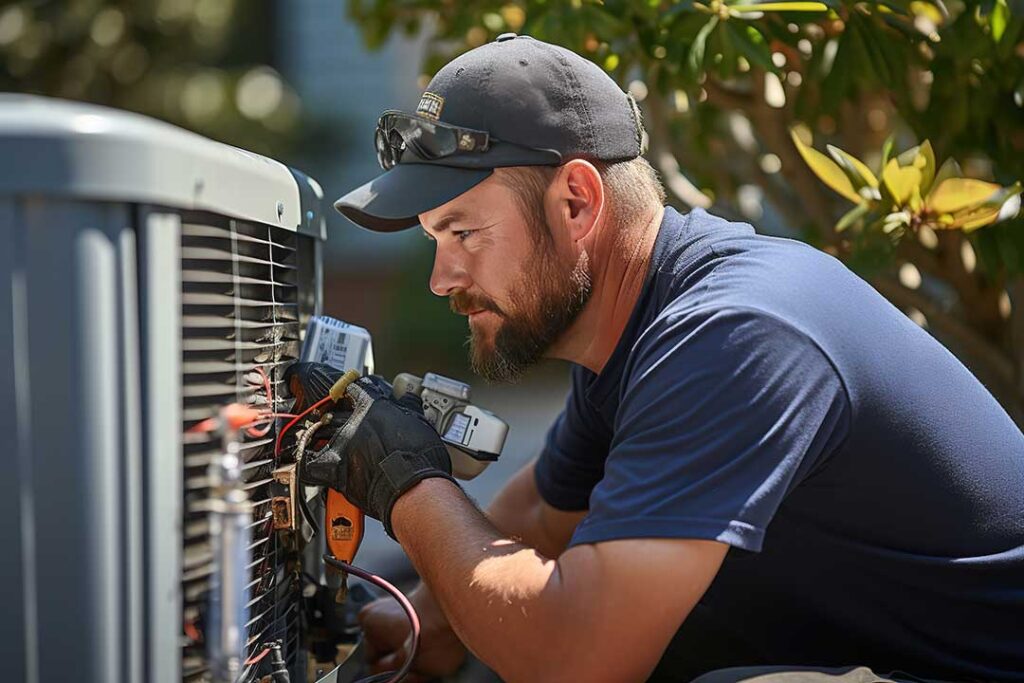
If the outdoor unit is silent, check the nearby disconnect and the main electrical panel without opening any electrical compartments. Do not remove access covers or handle capacitors. These components can hold a dangerous electrical charge even when the system is not actively running.
If the outdoor unit runs but the air indoors is warm, inspect the visible refrigerant lines for heavy frost or ice. Ice is not proof that the system needs refrigerant; restricted airflow, a dirty coil, or a malfunctioning blower can also cause freezing. Operating the system while it is iced over can worsen the problem.
Why is the outdoor unit running but the house still feels warm?
An operating outdoor fan does not guarantee that the compressor is working correctly. The system may be moving air outside while failing to transfer heat from the home.
Possible causes include:
- A failed compressor or capacitor
- A refrigerant leak or inadequate refrigerant charge
- A dirty outdoor coil
- Poor airflow across the indoor coil
- A damaged contactor or electrical connection
- Duct leakage or insufficient insulation
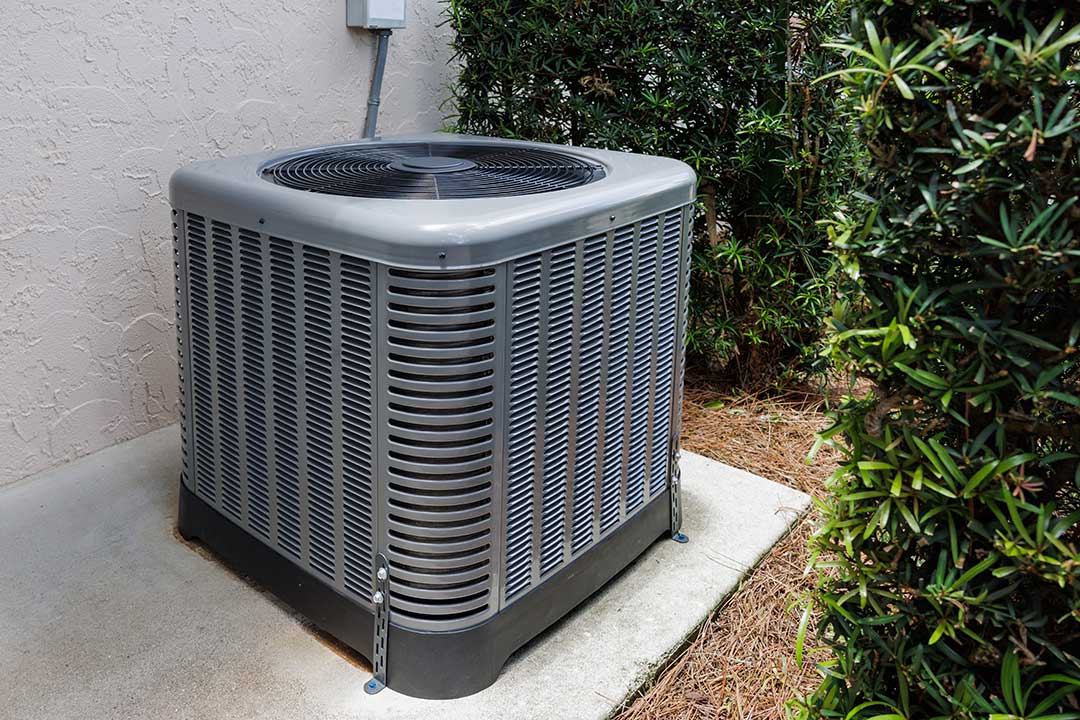
Outdoor condenser coils can collect cotton-like plant material, dust, and debris. With power turned off at the disconnect and electrical panel, visible debris around the cabinet can be cleared gently from the exterior. Do not bend the fins, spray water into electrical areas, or dismantle the unit.
In Grand Junction, extended dry periods and airborne dust can increase the amount of debris around outdoor equipment. Keeping vegetation, stored items, and loose yard material away from the unit helps maintain airflow.
What should you do if the AC is covered in ice?
Turn the cooling system off and set the thermostat fan to On if the blower is operating normally. This may help circulate indoor air across the frozen coil, but thawing can take several hours.
Place towels or a shallow pan near the indoor equipment if melting water could reach flooring or stored items. Do not chip the ice away with a tool, pour hot water over the coil, or restart cooling before the ice has fully melted.
After thawing, replace a dirty filter and check for blocked registers. If ice returns, the system needs further diagnosis. Repeated freezing can damage the compressor and may indicate a problem that cannot be corrected through thermostat adjustments.
Could ductwork be the problem?
Yes. An air conditioner can cool the air properly while leaky, disconnected, or poorly insulated ducts prevent that air from reaching living spaces.
Signs of duct-related trouble include:
- Strong airflow from some rooms and very weak airflow from others
- Rooms that remain hot despite a cold supply register nearby
- Whistling or rattling sounds from duct areas
- Dusty streaks around grilles or duct connections
- Ducts running through hot attics, garages, crawl spaces, or exterior areas
Homes with additions, remodeled rooms, older ductwork, or multiple levels may have uneven cooling caused by duct design rather than a failing air conditioner. Closing many supply registers to force more air into other rooms can increase system pressure and may create additional problems.
Why might one room stay hot?
A single hot room does not always mean the entire AC system is failing. Solar exposure, older windows, inadequate insulation, closed dampers, and undersized ducts can all contribute.
Rooms with west-facing windows often gain substantial heat during the afternoon. Upper levels and spaces beneath poorly insulated roofs can also become warmer than the rest of the home. Sun-blocking shades, closed curtains during peak afternoon heat, and unobstructed supply and return registers may help reduce the difference.
A ceiling fan can improve comfort by moving air across occupants, but it does not lower the room’s actual temperature. Fans should be turned off in unoccupied rooms unless they are needed for ventilation or circulation.
When is it unsafe to keep troubleshooting?
Stop troubleshooting and switch the system off if there is a burning smell, smoke, sparking, exposed wiring, repeated breaker trips, unusual grinding, a strong chemical odor, or water near electrical equipment. Refrigerant lines and electrical components should not be opened or repaired without appropriate equipment and training.
Prompt attention is also warranted when the system is leaking water, making a loud buzzing sound, or repeatedly freezing after airflow problems have been addressed. These conditions can cause equipment damage or create electrical and indoor-moisture hazards.
How can cooling problems be reduced during hot weather?
Replace filters on a regular schedule based on household conditions rather than relying only on a calendar. Homes with pets, renovation dust, or frequent door and window opening may need more frequent inspection.
Keep supply and return registers open and unobstructed. Limit heat-producing activities during the hottest part of the afternoon when possible, and use window coverings on sun-facing glass. Avoid setting the thermostat extremely low; that does not make the system cool faster and may extend operating time.
Because Grand Junction experiences hot, dry summer conditions, outdoor equipment benefits from clear space around the condenser and periodic removal of visible dust and plant debris. Routine inspection before the hottest part of the season can reveal restricted airflow, unusual sounds, or drainage issues before they become an emergency.