
What is a heat pump?
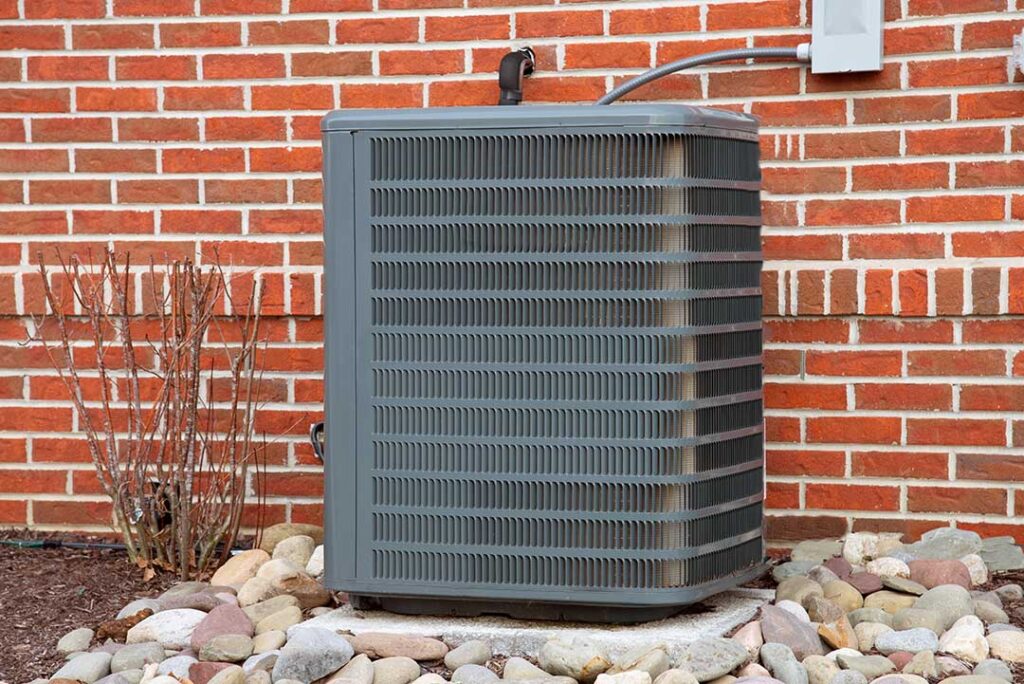
A heat pump is a heating and cooling system that moves heat rather than creating it through combustion. In summer, it removes heat from indoors and releases it outside. In winter, it reverses that process and brings available heat from outdoor air into the home.
The basic idea is similar to a refrigerator, which moves heat out of its storage compartment. A heat pump uses the same general principle on a larger scale, with a refrigerant circuit, compressor, indoor coil, outdoor coil, and fans.
Although outdoor air feels cold during winter, it still contains heat energy. A heat pump extracts that energy, concentrates it through the refrigeration cycle, and transfers it indoors.
How does a heat pump provide cooling?
During cooling mode, the indoor coil acts as an evaporator. Warm indoor air passes over the coil, and heat moves from the air into the refrigerant. The blower then sends cooler air back through the ductwork or indoor unit.
The refrigerant carries the absorbed heat to the outdoor unit. There, the compressor raises the refrigerant’s pressure and temperature. The outdoor coil releases the heat into the surrounding air, and the cycle repeats.
This process also removes some moisture from indoor air as warm air passes across the cold indoor coil. In the dry climate around Grand Junction, humidity removal may be less noticeable than in more humid regions, but it still occurs during normal air-conditioning operation.
How does it heat a home in winter?
In heating mode, a component called a reversing valve changes the direction of refrigerant flow. The outdoor coil absorbs heat from outside air, even when temperatures are below freezing. The refrigerant carries that heat indoors, where the indoor coil releases it into the home.
The system does not make outdoor air warmer. Instead, it uses electricity to move heat from one place to another. This is why heat pumps can deliver more heat energy than the electrical energy used to operate the compressor and fans.
The amount of heat available from outdoor air decreases as temperatures fall. A properly selected system accounts for this change through equipment sizing, operating controls, and sometimes supplemental heat.
What types of heat pumps are common?
Several heat pump designs may be used in homes and small buildings.
Air-source heat pumps
Air-source systems exchange heat with outdoor air. They are the most familiar type and can be configured as:
- A ducted system connected to central heating and cooling ductwork
- A ductless mini-split system with one or more indoor wall-mounted units
- A dual-fuel or hybrid system that works with a separate furnace during very cold conditions
Ducted systems can provide relatively even whole-home airflow when the ductwork is properly designed. Ductless systems are useful for additions, garages, rooms with limited duct access, or homes where individual temperature control is desirable.
Ground-source heat pumps
Ground-source systems exchange heat with the ground through buried loops. Because underground temperatures change more slowly than outdoor air temperatures, these systems can provide steady performance in both heating and cooling modes.
They typically require more planning and excavation than air-source equipment. Soil conditions, available property area, drilling requirements, and installation design all affect feasibility.
Can a heat pump work during cold Grand Junction winters?
Yes, but performance depends on the system’s design and the home’s heating needs. Modern cold-climate heat pumps can operate in low outdoor temperatures, though their heating capacity and efficiency generally decline as the temperature drops.
The local climate includes hot summer afternoons, dry air, winter freezes, and occasional cold snaps. Those conditions make proper sizing especially important. A system selected only for summer cooling may not provide enough heat during the coldest winter hours.
Some homes use supplemental electric resistance heat, a gas furnace, or another backup source. Backup heat does not necessarily run throughout winter. It may operate only when outdoor temperatures are especially low, during defrost cycles, or when the thermostat detects that the heat pump is not keeping up.
What is the outdoor unit doing during heating mode?
During heating, the outdoor coil becomes cold enough to collect heat from the air. In damp or freezing conditions, frost can build on that coil. The heat pump then enters a defrost cycle, temporarily reversing operation to warm the outdoor coil and melt the frost.
During defrost, the outdoor fan may stop, and the system may briefly produce cooler air indoors. Some systems use supplemental heat during this period to reduce the change in indoor comfort.
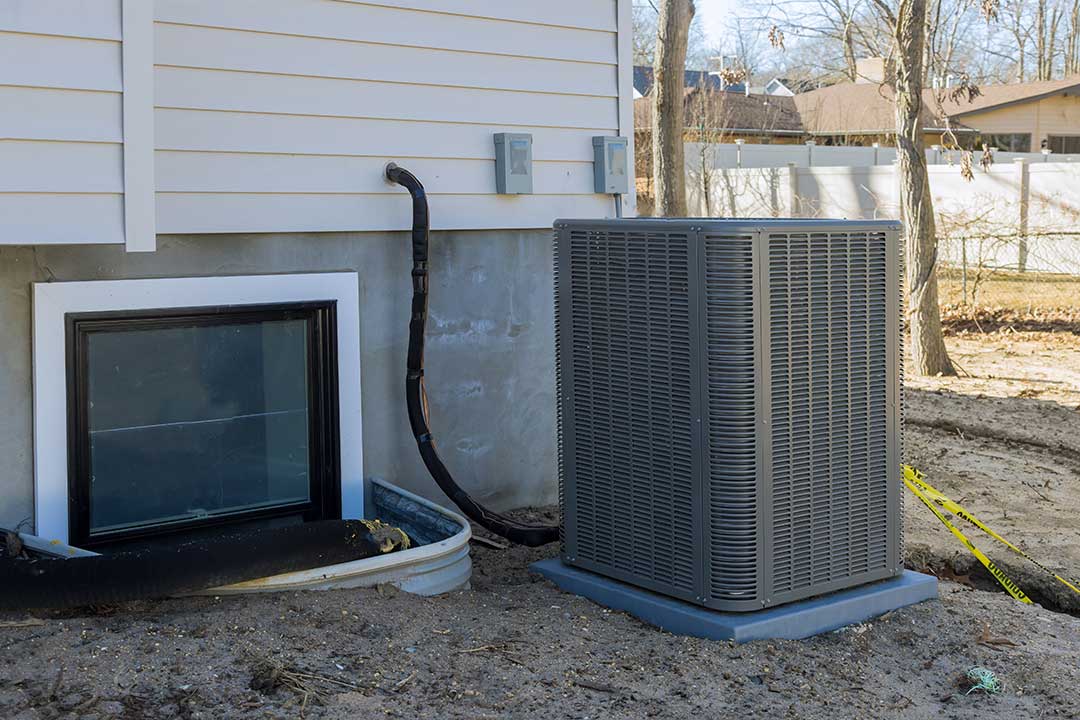
Seeing water or steam around the outdoor unit during defrost is usually normal. Water may drain from the base pan, and visible vapor can form as frost melts. The unit should not be blocked by snow, leaves, tall vegetation, or stored items because restricted airflow reduces performance.
How efficient is a heat pump?
A heat pump’s efficiency varies with outdoor temperature, indoor temperature settings, equipment condition, ductwork, and installation quality. It generally uses less electricity for heating than electric resistance heating because it transfers heat instead of converting electricity directly into heat.
Cooling efficiency also depends on airflow, refrigerant charge, coil cleanliness, shading, and duct losses. In a dry, sunny environment, attic temperatures and solar heat gain can place a substantial cooling demand on a home.
A heat pump does not automatically reduce energy use in every household. Results depend on the existing system, electricity and fuel costs, insulation, thermostat settings, and how efficiently the home holds conditioned air.
What should homeowners consider before choosing one?
The heating and cooling load of the home should be evaluated separately rather than relying only on square footage. Window orientation, insulation, air leakage, ceiling height, duct condition, and room additions all affect equipment needs.
Other practical questions include:
- Whether existing ductwork can deliver the required airflow
- How much heating capacity is available during the coldest expected conditions
- Whether supplemental heat is needed
- Where outdoor equipment can receive unobstructed airflow
- Whether indoor sound levels and wall-mounted units matter
- How thermostat controls manage backup heat
- Whether the home has adequate electrical capacity
Oversized equipment can cycle too frequently, while undersized equipment may run continuously without maintaining comfort during extreme weather. Either condition can affect efficiency and equipment life.
Are heat pumps the same as air conditioners?
No. An air conditioner normally cools a home but does not provide heat. A heat pump can cool like an air conditioner and heat by reversing the direction of refrigerant flow.
The outdoor unit may look similar to central air-conditioning equipment, which sometimes causes confusion. The key difference is the reversing valve and the controls that allow the system to operate in both directions.
What maintenance does a heat pump need?
Heat pumps require routine attention in both heating and cooling seasons. Clean or replace air filters according to household conditions, keep supply and return vents open, and maintain clear space around the outdoor unit.
The indoor and outdoor coils should remain clean, and condensate drains should be able to remove water. Unusual noises, repeated short cycles, weak airflow, ice that does not clear, or a sharp drop in heating performance can indicate a problem that should not be ignored.
Because the system operates year-round, its outdoor unit and moving components may accumulate more operating hours than equipment used only for summer cooling or winter heating. Regular maintenance helps identify airflow, electrical, drainage, and refrigerant-related issues before they become larger problems.