

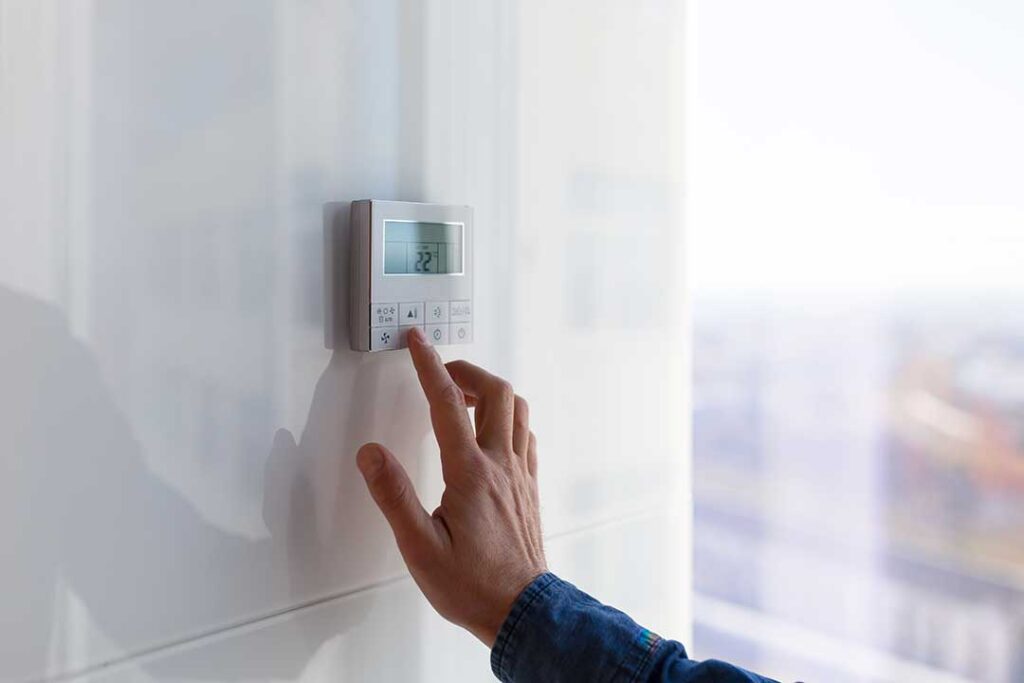
Programmable thermostats allow a home’s heating and cooling schedule to follow daily routines instead of maintaining the same temperature around the clock. Used correctly, they can reduce unnecessary system operation, improve comfort during occupied hours, and make temperature control easier to manage.
What does a programmable thermostat do?
A programmable thermostat automatically changes the indoor temperature at preset times. Common settings include waking, leaving, returning home, and going to sleep.
Instead of manually adjusting the thermostat each morning and evening, residents can create a repeating schedule. For example, a household might choose to:
- Lower the heating temperature during work or school hours in winter
- Raise the cooling temperature while the home is empty in summer
- Restore a preferred temperature shortly before people return
- Use a slightly wider temperature range overnight
The thermostat does not make the heating or cooling equipment more efficient by itself. Its main benefit is controlling when the system runs and how hard it needs to work.
Can a programmable thermostat lower energy use?
Yes, but the savings depend on the schedule, the home, and whether the settings are actually followed. A temperature setback can reduce heating or cooling demand because the system does not have to maintain the same indoor temperature during unoccupied or sleeping hours.
A commonly used guideline is to adjust the temperature by about 7 to 10 degrees for roughly eight hours when practical. In winter, lowering the heating setting can reduce heat loss. In summer, raising the cooling setting reduces the amount of heat the air conditioner must remove.
Actual results vary. A home with poor insulation, significant air leakage, or an aging heating and cooling system may not experience the same savings as a well-sealed home. Household schedules also matter. If someone is home most of the day, there may be fewer opportunities for temperature setbacks.
The most reliable benefit comes from avoiding unnecessary operation rather than choosing an extreme temperature.
Why is scheduling useful in Grand Junction?
Grand Junction has a dry, semi-arid climate with cold winter nights, strong summer sunshine, and substantial temperature changes between day and night. Those conditions can create long periods when heating or cooling is needed, even if outdoor temperatures feel comfortable during part of the day.
A programmable schedule can help with these daily swings. For example, a home may need cooling during a sunny afternoon but little or no cooling overnight. In winter, the heating system may run heavily before sunrise and then operate less during a sunny afternoon.
The community also includes a mix of older homes, newer construction, additions, finished basements, and homes with different insulation levels. Because of that variety, a schedule that works well in one household may not be appropriate in another. The best settings are based on actual comfort, occupancy, and how quickly the home gains or loses heat.
How does a programmable thermostat improve comfort?
Comfort improves when temperature changes happen gradually and predictably. A thermostat can begin heating or cooling before people wake up or return home rather than waiting until the indoor temperature feels uncomfortable.
This is especially useful for households with consistent routines. A morning schedule can warm bedrooms and living areas before people get up. An evening schedule can reduce heating or cooling once the household is asleep.
Programmable settings may also prevent a common problem: large manual adjustments made after a home becomes too hot or cold. Extreme changes can cause the system to run for a long period without necessarily making every room comfortable. Moderate, timed adjustments are usually easier on the equipment and the occupants.
What thermostat schedule works well for many households?
A four-period schedule is a practical starting point:
- Wake: Set the preferred temperature shortly before the household gets up.
- Away: Use a heating or cooling setback during regular work or school hours.
- Return: Restore the comfort setting before people arrive home.
- Sleep: Adjust the temperature for nighttime comfort and energy conservation.
Households with changing schedules may need fewer periods or manual adjustments. Retirees, remote workers, infants, pets, and residents with medical needs may require a more consistent setting.
A schedule should reflect real occupancy. Programming a large setback while someone remains home can create discomfort without producing meaningful savings.
Are there situations when temperature setbacks are not appropriate?
Yes. Some homes and systems need more careful temperature control.
Heat pumps, for example, may use supplemental electric heat if the thermostat is raised or lowered too aggressively. That extra heat can reduce or eliminate the expected energy savings. Homes with radiant floor heating may also respond slowly, making frequent schedule changes less practical.
Temperature setbacks may also require caution when:
- Indoor plumbing could be exposed to freezing conditions
- A household includes infants, older adults, or people sensitive to temperature changes
- Pets remain indoors for long periods
- The home has humidity-sensitive materials or rooms
- The heating system has difficulty recovering after a setback
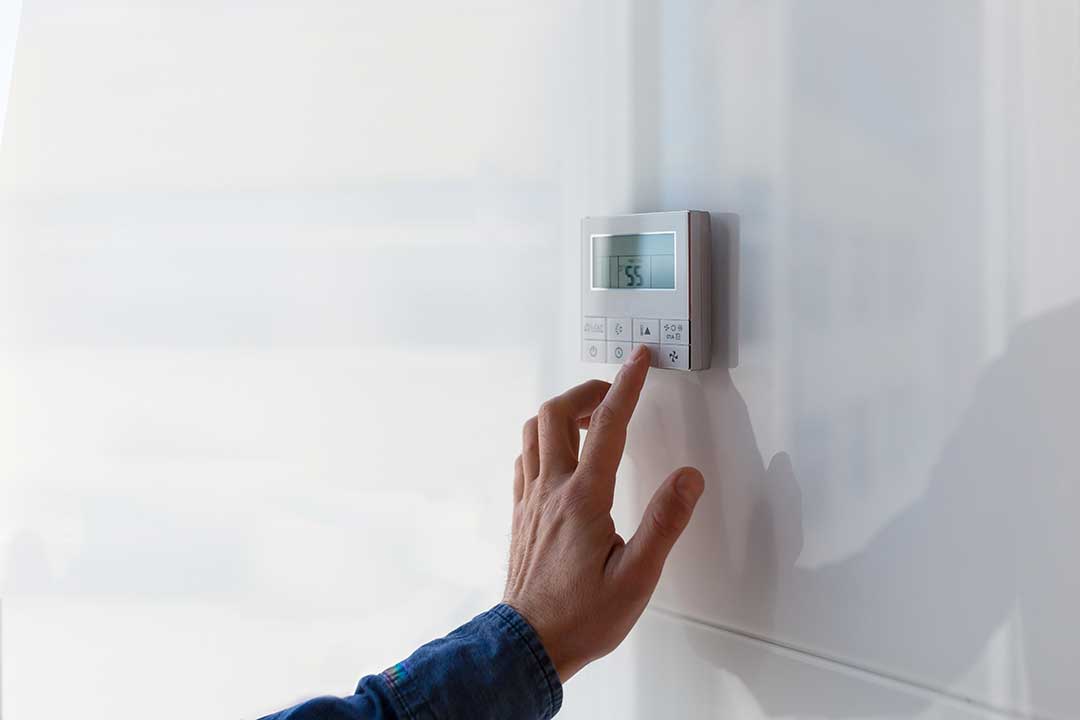
In winter, the thermostat should not be set so low that pipes or vulnerable areas are at risk. In summer, excessively high indoor temperatures may create humidity or comfort problems, particularly in tightly sealed homes.
What is the difference between a programmable and smart thermostat?
A programmable thermostat follows a schedule entered by the user. A smart thermostat may add features such as remote control, occupancy detection, learning functions, energy reports, or integration with other home systems.
A smart thermostat is not automatically better for every household. It may require dependable power, wireless connectivity, app access, and settings that are more complex than necessary. A basic programmable model can provide the central benefit—automatic temperature changes—without those additional features.
The important question is whether the thermostat makes it easier to maintain a practical schedule. A simple control that is programmed correctly can be more useful than an advanced model that is rarely adjusted or understood.
How can residents avoid common programming mistakes?
The most common mistake is creating a schedule that is too complicated. If a program is difficult to understand, it may be overridden frequently or abandoned.
Other common problems include:
- Setting heating and cooling temperatures too close together
- Programming a setback during times when someone is usually home
- Expecting the system to change the temperature instantly
- Assuming a thermostat can correct uneven airflow or poor insulation
- Placing the thermostat near sunlight, drafts, supply registers, kitchens, or heat-producing appliances
- Forgetting to update the schedule during seasonal routine changes
After programming, it helps to observe the home for several days. Notice whether the temperature is comfortable when people wake up, return home, and go to bed. Small adjustments are often more effective than large changes.
Does a programmable thermostat replace maintenance or air-sealing?
No. A thermostat controls the system, but it cannot compensate for blocked filters, leaking ducts, inadequate insulation, or restricted airflow.
In a dry climate, dust can accumulate quickly on filters and indoor surfaces. A clogged filter can reduce airflow and make heating or cooling run longer. Sealing obvious drafts, using appropriate insulation, keeping supply and return vents clear, and changing filters as recommended for the equipment can help the thermostat’s schedule produce better results.
A programmable thermostat works best as one part of an efficient home. Its greatest value is consistent control: reducing heating or cooling when it is unnecessary while preserving comfort when the household needs it.